
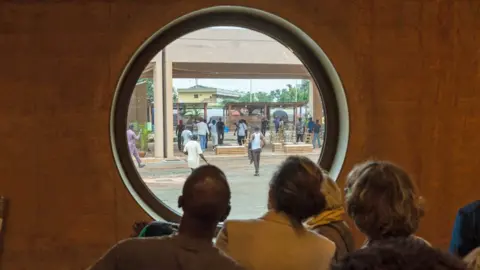
Nigeria's stunning new Art Museum of West Africa (Mowaa) has landed in the crosshairs of regional political struggles during the week it was scheduled to – but was unable – to welcome visitors to the visitors for the very first time.
The Major Initiative
The 15-acre facility is located in the heart of Benin City, capital of the southern area of Edo – and contains an excavation site and facilities created by renowned dual heritage architect Sir David Adjaye, most famous for the Washington African American Museum that was inaugurated in Washington DC in 2016.
It has been half a decade in the development – and is planned to showcase both the history and the current era of cultural innovation in the locale known for the cultural artifacts, cultural objects taken from the city's royal palace by British troops in the 1800s.
Setup and Prospects
It is notable – and ahead of the anticipated opening, Mowaa was active with workers committed to demonstrate it is a place that can match established cultural centers in the Western world.
Within preservation experts carefully unwrapped cultural items from protective packaging, examining each item and taking thorough records before arranging them on exhibition areas and plinths.
Experts calibrated environmental controls. In the scientific facility, personnel calibrated instruments designed to conserve historical artefacts.
Financial Backing and Economic Vision
The initiative has been the brainchild of entrepreneur Phillip Ihenacho – currently Mowaa's managing director.
"I want us to have a major economic impact on local residents in the vicinity," he told media outlets, adding that he wanted to make the city "a tourism center."
Mowaa, a not-for-profit national foundation, sees itself generating over 30,000 employment opportunities and providing more than $80m per year to the local cultural industry through alliances and programming.
Investment and Administrative Problems
It has needed $25m to reach this point – capital collected from multiple contributors, including the international partners, the UK museum and the local administration.
But currently the state authorities has withdrawn support from under it – canceling the utilization of the land on which the building was erected.
An official representative clarified this was because in the early agreements it had referred to itself as Edo Museum of West African Art – and it had later eliminated "the regional name" from its designation.
Demonstrations and Government Action
This declaration was preceded by demonstrations on the weekend, when people invaded the facility demanding it be called the Museum of the Benin Kingdom.
A boisterous crowd harassed international visitors at the facility prior to the inauguration – forcing them to be escorted out under police escort.
President Bola Tinubu has even become involved to attempt to settle the tensions, setting up a special task force to do some damage control.
Political Complexities
But why has this turned into so divisive – and such a PR disaster?
The majority of it comes down to local power struggles at a local state level, as it was the former state leader Godwin Obaseki – whose term in office ended the previous year – who was a key supporter of the initiative.
And it looks like the administration of the new governor, a key associate of the area king, referred to as the Oba, may want increased control in the initiative. The protesters on that day, for case, were demanding that the facility be placed under the authority of the current Oba.
The Benin Bronzes Controversy
This highlights the disputed topic of the cultural artifacts, one of the continent's most celebrated cultural treasures.
Because though the museum does finally welcome visitors, these artifacts will be conspicuously absent.
They are metal, elephant tusk and wooden carvings that once embellished the royal palace of the historical empire before colonial troops took them in the late nineteenth century during a punitive expedition.
Nowadays, numerous continue to be scattered across museums in Western nations -- including the UK institution, European center and the New York institution.
Restitution Efforts
Their homecoming has become one of the most debated discussions in the international art community. Approximately 150 have now been returned – and additional are expected to return.
When ideas for the facility in the urban center were initially revealed in the pre-pandemic era, the movers and shakers on Nigeria's art scene hoped it would become their ideal location – a modern facility to show them off to the global audience.
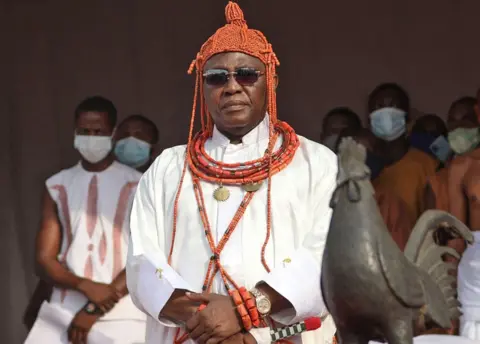
But the situation became complicated recently after the national authorities declared that the traditional ruler would be the rightful owner of returned objects – and the royal household pushed for a museum under the royal family's direct control, opposing the preferences of Obaseki.
Strategic Positioning
This left Mowaa in a delicate position: asserting a clear stance on restitution while staying tactful on ownership – and emphasising its larger purpose, which led to|c


